How to stop birds flying into your windows, conservatory or orangery
Many of us who are lucky enough to have gardens are also nature lovers, welcoming feathered visitors with bird feeders and baths, and taking pleasure in their presence and song. That’s why, if you’ve ever witnessed a bird flying into your window, it can be a genuinely shocking and upsetting experience.
Sadly, it’s a far more common problem than many people realise – and one that can have serious consequences for our wildlife. Whilst it’s difficult to pinpoint the true scale of the issue, as highlighted in a BBC News article back in 2013, the impact is undeniable. When birds collide with glass, the outcome can be distressing to witness; some are left stunned and vulnerable, while others may not survive at all.
Thankfully, there are simple and affordable ways to reduce and prevent these collisions that are suitable for windows, conservatories or orangeries – helping to protect our feathered friends.
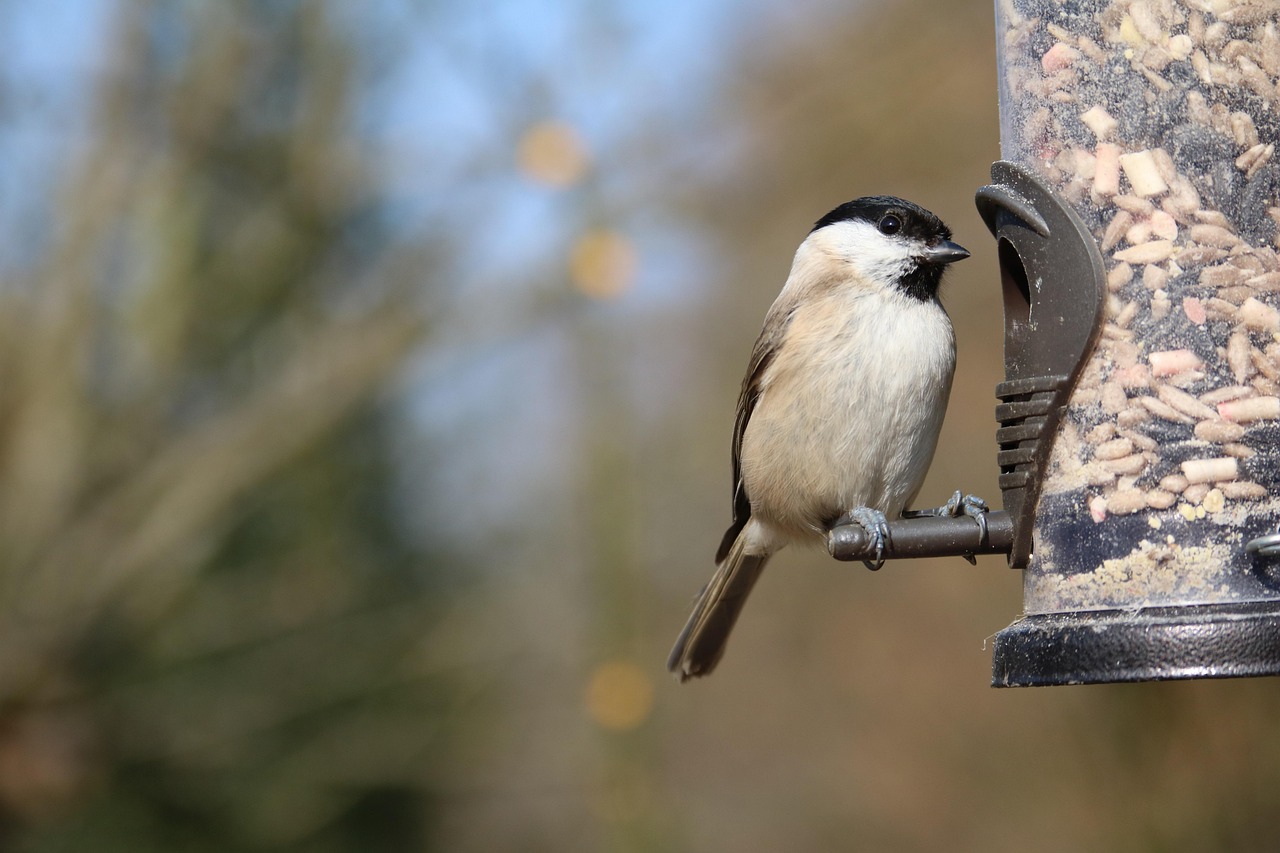
Why do birds fly into windows?
Glass is invisible to birds, so reflections of trees, shrubbery and sky can fool them into flying straight into it. This isn’t just startling for you; it can injure or even kill birds.
Bird strikes into windows can occur throughout the year, but they often peak in the spring and autumn, when birds are migrating or moving around territories.
Practical ways to prevent birds hitting your windows
Here, we explore the most effective and practical methods you can use – from instant, low-cost fixes to more considered, longer-term solutions.
1. Make glass visible to birds
Visually breaking up the surface of your glass will ensure birds are more aware of windows as a barrier to flight. There are many ways that you can do this.
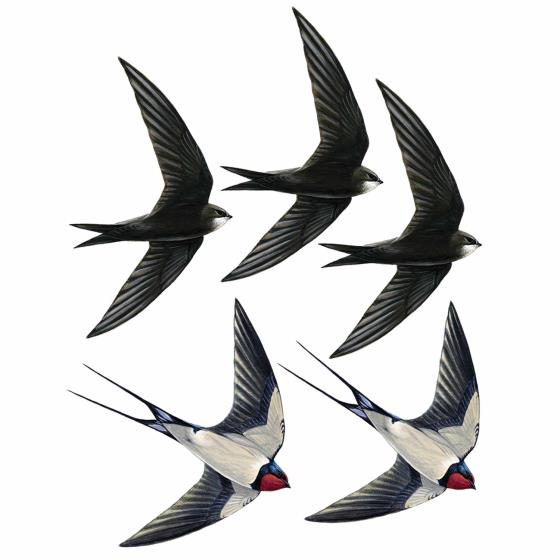
Decals and stickers:
There are a range of options for including subtle and attractive decals and stickers onto your windows so that they become visible to birds.
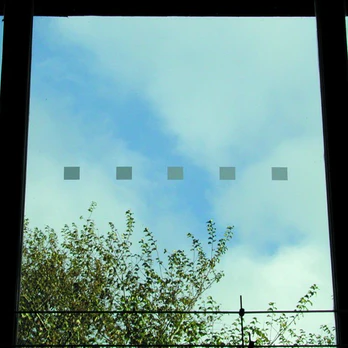
Window tape with patterns and motifs:
Applying a subtle tape to your windows with a regular pattern of vertical lines, dots or shapes helps birds to notice the glass barrier
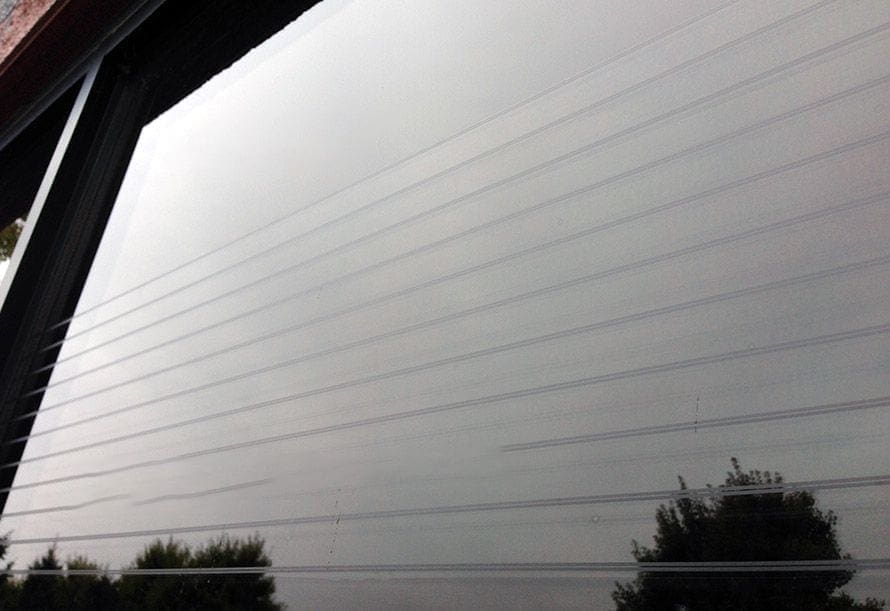
Bird-safe films:
These specialist films can make glass appear less reflective or opaque to birds, whilst offering a clear view for us humans.
Quick DIY fixes:
Something as simple as a bar of soap drawn on the window, or a pen that’s made for writing on glass can be used as a temporary fix while you consider longer-term solutions.
In this video, the simple glass pen solution is explained:
2. Introduce external barriers to your windows
Physical barriers that break up reflections can be hugely effective at reducing bird strikes on your windows.
Hanging cords:
Vertical cords or strings hung from the top of the window create a visible ‘curtain’ that birds avoid.
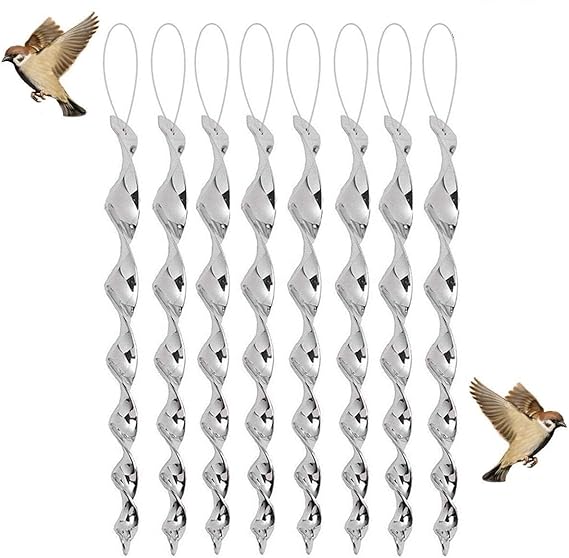
Reflective rods or wind catchers:
Reflective spinning rods and wind-catching decorations offer a temporary solution that can be hung outside your windows throughout spring, summer and early autumn.
3. Control reflection and light
When your windows mirror bright sky, along with your garden plants and trees, the risk is greater for bird collisions – a few, simple adjustments can help.
Close blinds or curtains:
Consider closing your blinds or curtains during dawn and dusk when bird activity is at its highest.
Install sail cloths, awnings or sunshades:
These can significantly reduce glare as well as create a safer environment for birds

4. Consider your landscaping and garden features
How you design the environment around your windows will impact how birds approach them.
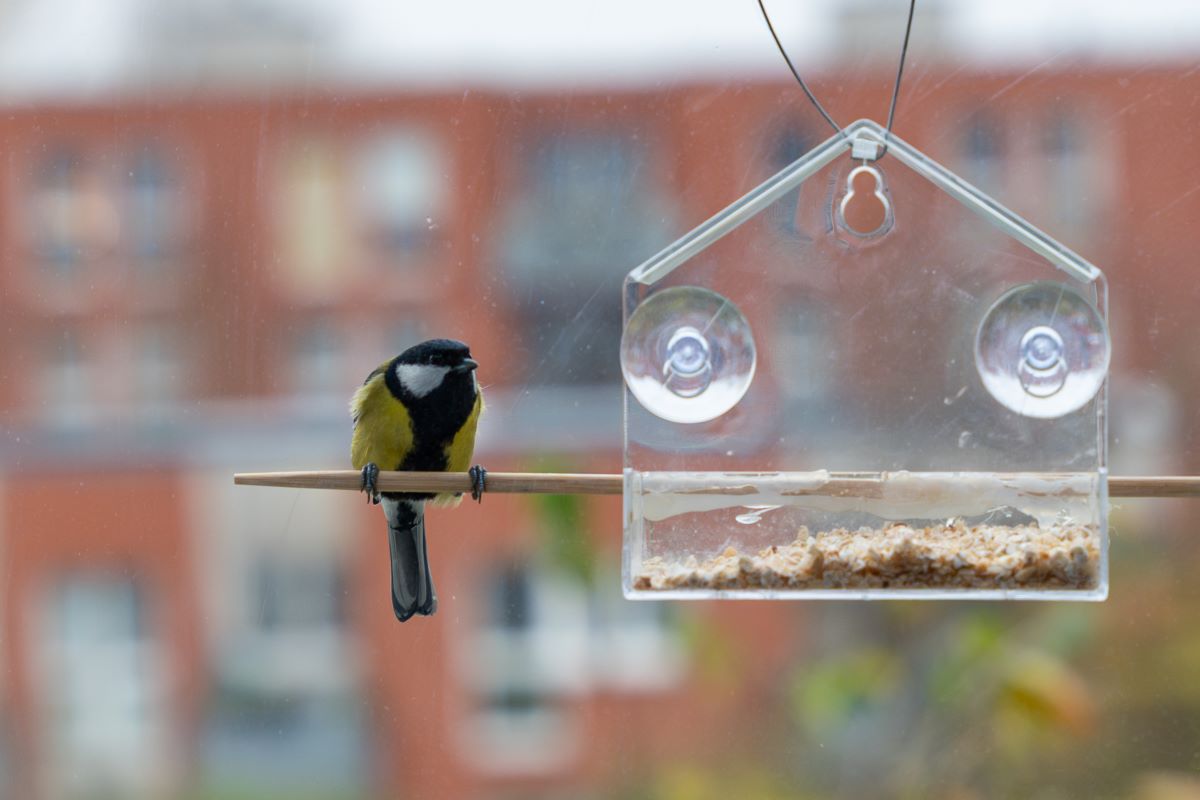
Move feeders and bird baths:
Placing bird feeders and baths either very close (within 1m) to your windows, so birds move slowly, or very far away from glass, will reduce collisions.
Avoid dense reflections:
If your conservatory reflects trees or shrubs, consider repositioning your plants or adding visual breaks (such as a screen or trellis) to interrupt the false ‘open path’.
Internal plant positioning:
Plants inside a conservatory or orangery, or on a window ledge, can also lure birds toward the glass, so it’s helpful to consider the size and positioning of your indoor greenery.
What to do if a bird hits your window
If you find an injured or stunned bird:
- Gently place it in a dark, quiet place such as under a bush if safe, or in a box lined with soft tissue.
- Keep it away from pets and people.
- If the bird doesn’t recover within an hour, contact your local wildlife rescue centre. Visit the RSPCA to find your local wildlife rescue centre.
Visit the RSPB for more information if you are concerned about a garden bird.
More helpful articles from Window Wise
Please visit our News page for more helpful articles and advice, such as:
- How to heat your conservatory in winter
- How to avoid thermal stress fractures in your windows
- The importance of home ventilation
- How to remove algae form PVCu window frames
- Tips for cleaning and maintaining your patio and bi-fold doors
For more tips and advice on caring for your home, please sign up to our regular e-Newsletter.