What is a U-Value?
A U-Value, or “thermal transmittance” value, measures the insulating performance level of a material or product.
The U-Value is calculated by how much energy is transmitted through the material. So, the lower the U-Value the more energy efficient the material is.

How do you calculate a U-Value?
U-Values are expressed by a figure such as “1.2W/m2K”, which stands for the amount of watts per square meter per kelvin.
The calculation assesses the amount of heat energy lost through the material (e.g. through a window) when there is a 1 kelvin (1°C) difference in temperature between the internal and external sides. The heat energy transferred is measured over 1m2 and expressed as watts.
To calculate the U-Value, the thermal transmission of all the layers of the element (e.g. the various layers which make up a composite door) over 1m2 are added together.
What are U-Values used for?
For consumers, U-Values are a good way of comparing different products in terms of their energy efficiency. If you’re fitting new double glazing, ask your supplier about the U-Value of the various options. This will give you a good indicator of how energy efficient each one is.
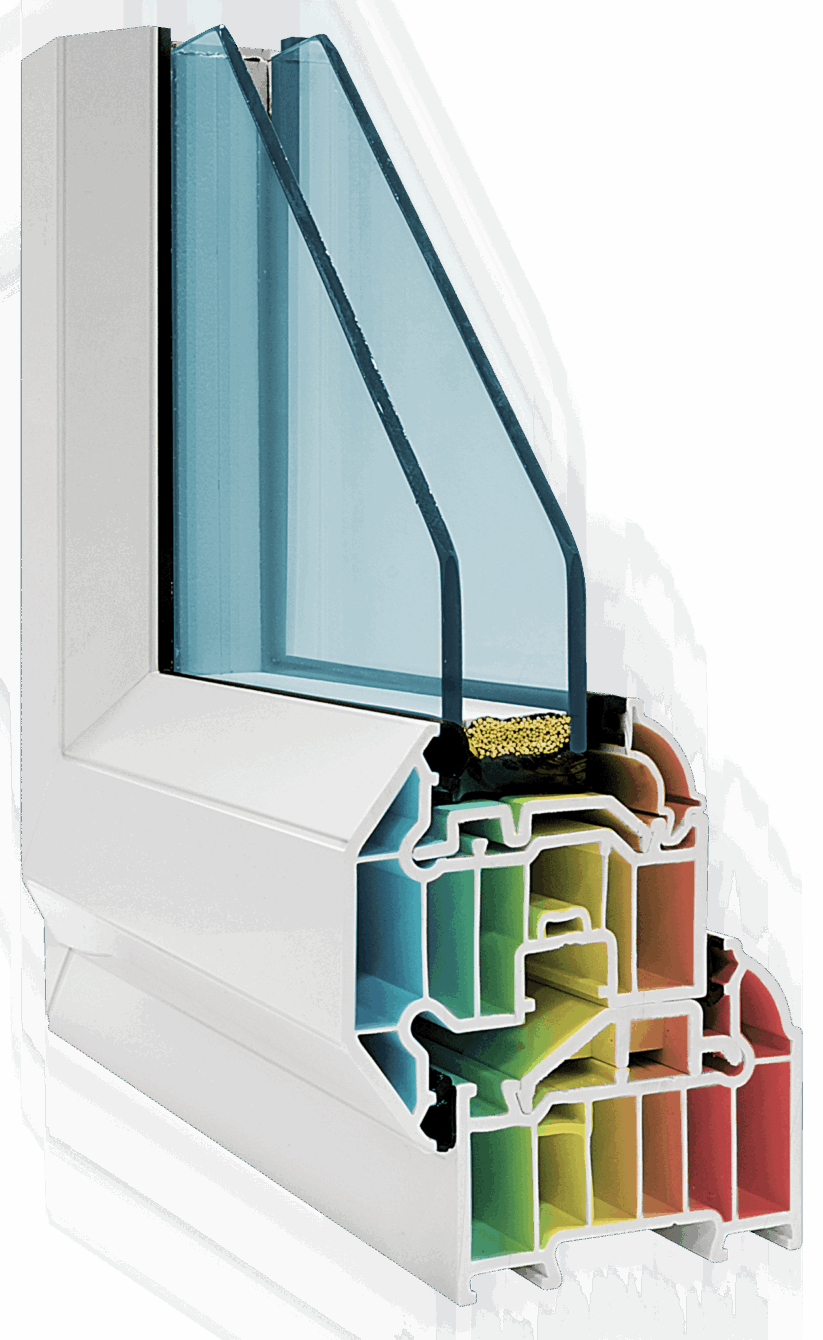
In the construction industry, the U-Values of all materials being used (windows, bricks, plaster, etc) are combined to give the building an overall U-Value. Buildings with lower U-Values tend to be cheaper to heat, more comfortable and better for your health.
What affects the U-Value?
There are two primary contributors to achieving a good U-Value.
The first is to use the most energy efficient materials, i.e. materials which have a low U-Value.
The second is the standard of installation. Even the most energy efficient window can be let down by poor installation, allowing far more heat to be transmitted through the window than is necessary.
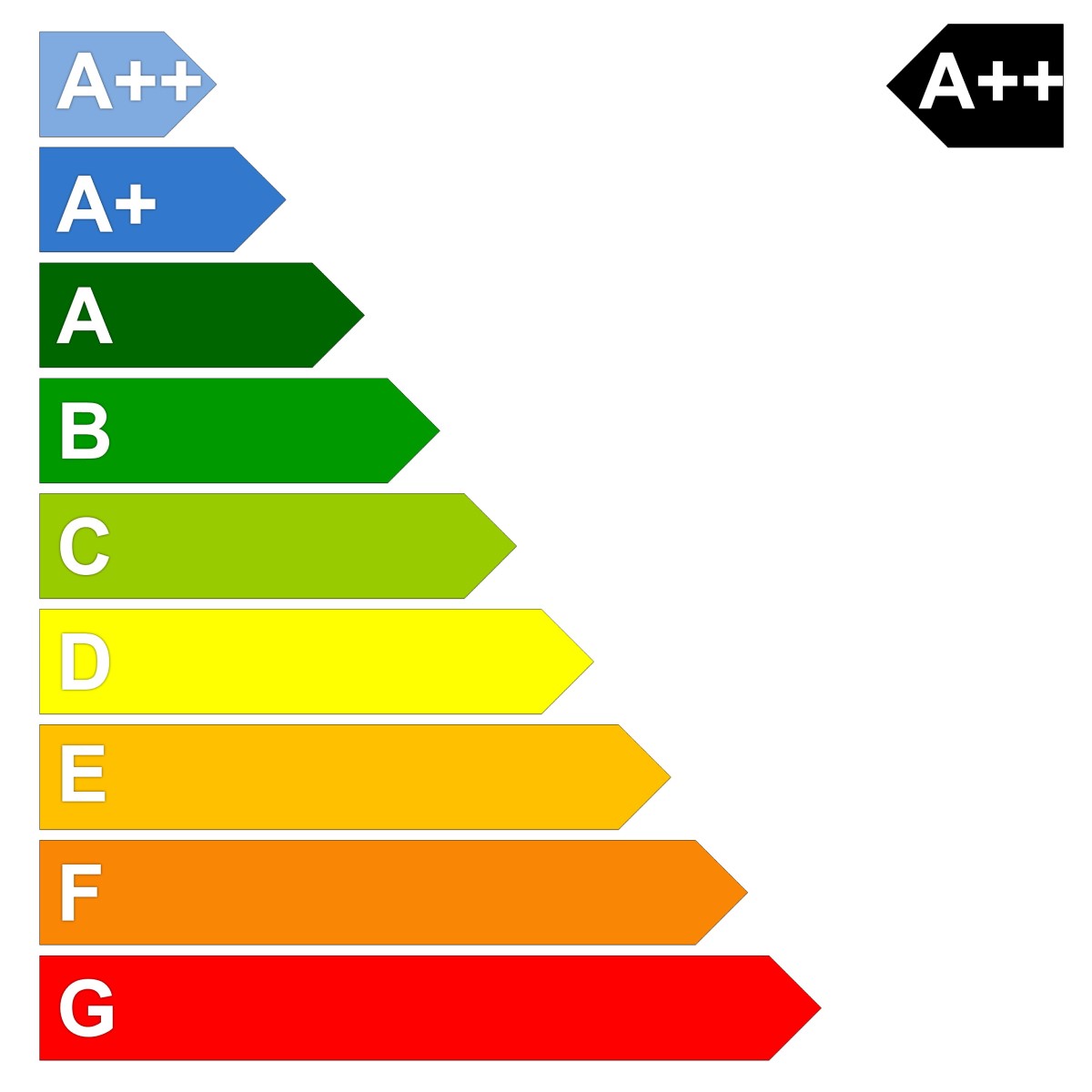
Energy efficiency is translated into a simple colour-coded rating system to help homeowners quickly compare the energy efficiency of different products:
Choosing an accredited installer
To ensure the quality of your installation, it’s important to look for an installer with the appropriate industry accreditations and independently assessed standards. These provide reassurance that your windows, doors, conservatory or glazed extension will be installed professionally, safely and in accordance with the relevant regulations.
Window Wise holds a range of industry accreditations. These include:
- Ultraframe Ultra Installer
- FENSA certification
- Glass & Glazing Federation (GGF) membership
- Trading Standards ‘Buy With Confidence’ approval
- SafeContractor accreditation
Together, these demonstrate our commitment to exemplary workmanship, customer service, regulatory compliance and professional installation.
What is a good U-Value?
This can vary hugely depending on the material being measured.
For a brick cavity wall, for example, a U-Value of 0.1W/m2K would be excellent.
Windows and doors will, naturally, never achieve this level of insulation. An energy efficient door should achieve a U-Value of 1.6W/m2K or less. High-quality glazing should ideally have a U-Value of around 1.0W/m2K.
U-Values and Building Regulations
U-Values are an important measurement within the Building Regulations Approved Document Part L, which focuses on the conservation of fuel and power and improving the energy efficiency of buildings.
A key aspect of these regulations is that a building needs to be considered as a whole – with the energy performance of walls, floors, roofs, windows and doors all contributing to its overall efficiency.
The ‘fabric-first’ approach to building design ensures better-insulated, higher-quality building materials and components that help reduce the amount of energy needed to heat a home.
Part L sets out energy-efficiency requirements for both new homes and work carried out on existing dwellings. The regulations use calculations to assess the building’s overall energy performance, with the design assessed before work begins and the completed building assessed again once work is completed.
For windows and doors, this means that choosing products with good U-Values is an essential part of creating an energy-efficient home – with the quality of the installation, and the performance of the building as a whole, being equally important.
U-Values – your questions answered
What does a U-Value tell you?
U-Values tell you how effective a material or building component is at insulating. The lower the U-Value, the less heat is allowed to pass through it (thermal transmittance) and the more energy efficient it is.
How important is the U-Value?
A lower U-Value means better thermal insulation. However, U-Value is only one measure of a building component’s performance, so factors such as installation quality, airtightness and the overall energy efficiency of the building should also be considered.
What is a good U-Value for windows?
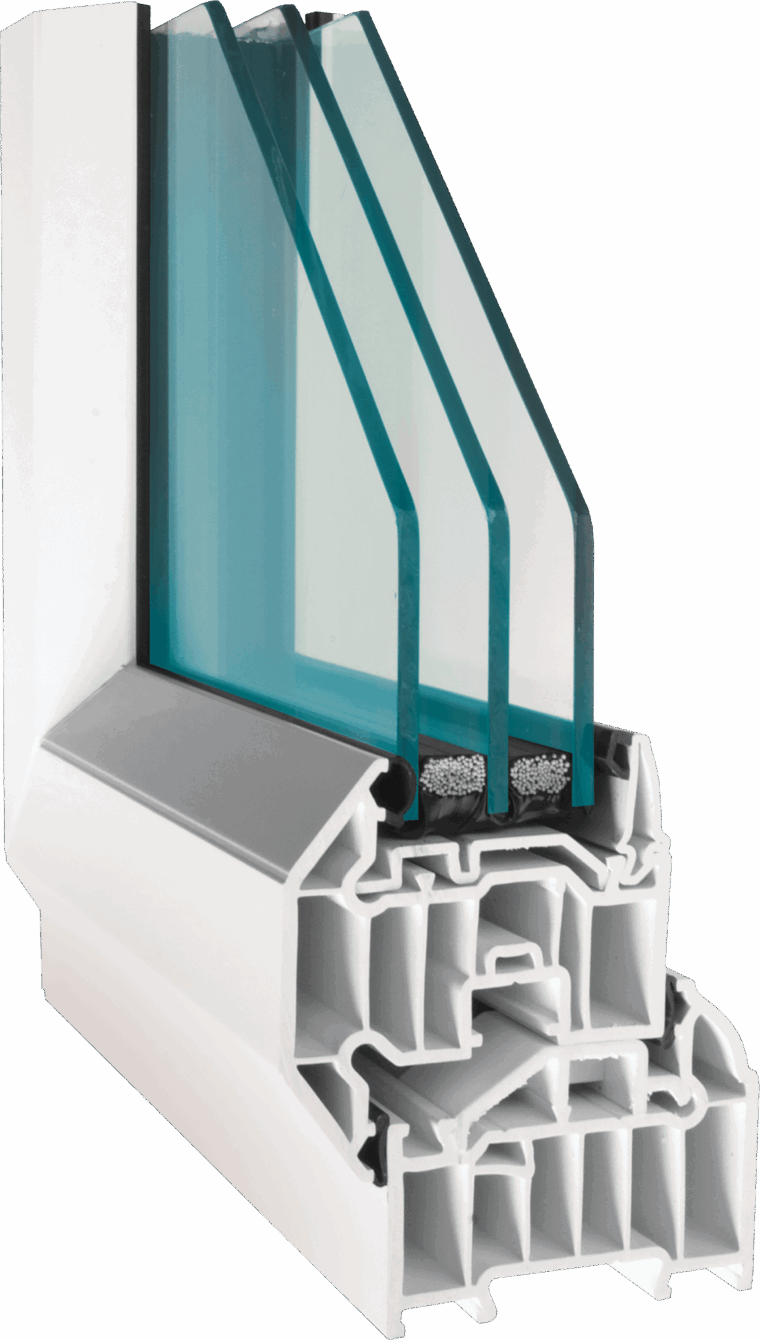
By incorporating Argon gas within the cavity, double glazed sealed units can achieve a U-Value of around 1.3W/m²K. Triple Glazing can improve this, but only minimally.
What is a good U-Value for doors?
An energy-efficient door should achieve a U-Value of around 1.4W/m²K to meet building regulations.
Do U-Values apply to existing homes?
Building Regulations Part L includes energy-efficiency requirements relating to work carried out on existing homes, as well as requirements for new homes. The specific requirements depend on the nature of the work.
Does quality of installation affect U-Value?
Even a highly energy-efficient window or door can perform less effectively if it is poorly installed. Correct installation ensures that the product achieves the optimum thermal performance.
Why are U-Values important when replacing windows?
U-Values provide a useful way to compare the thermal performance of different windows. Choosing products with lower U-Values can help reduce heat loss, improve comfort and reduce the energy needed to heat your home.
Are U-Values the only measure of a home’s energy efficiency?
U-Values are an important measure of thermal performance, but a building’s overall energy efficiency depends on factors including roof insulation, windows and doors, heating systems, ventilation and quality of installation.
Expert advice on the most energy efficient products
We can recommend the most appropriate insulated windows and doors for your project.
Please call us on 01444 45 71 45 or visit our Haywards Heath showroom for more information.